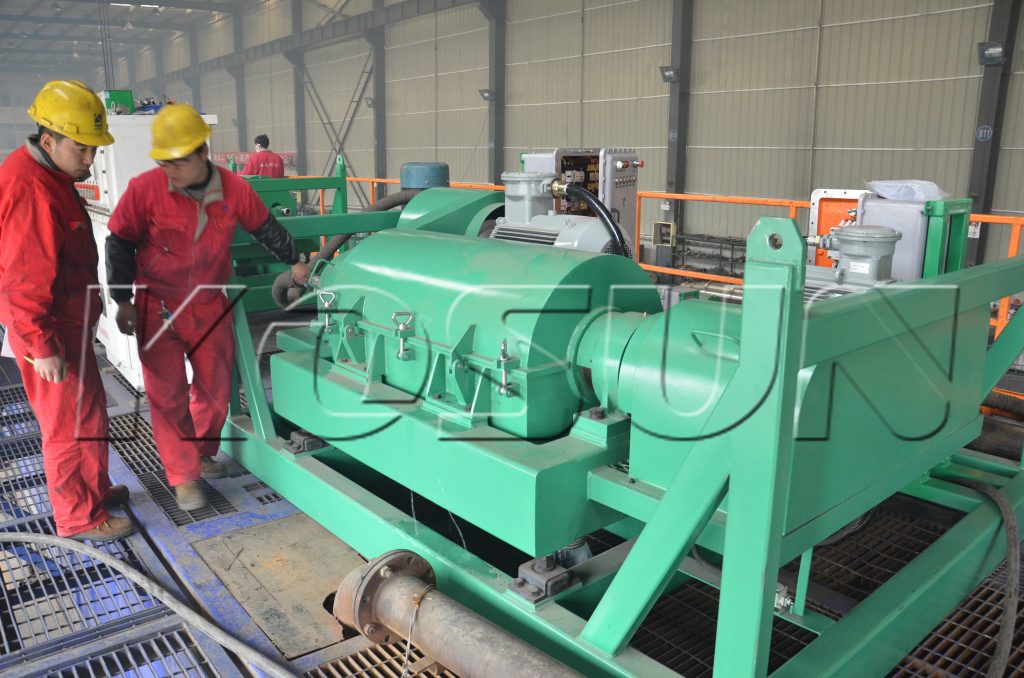
A centrifuge separates liquids from solids, but does it purify water? In wastewater treatment, a sludge dewatering decanter centrifuge uses centrifugal force to separate solids from liquids. It reduces sludge volume and increases solid content, making it easier to store, transport, and dispose of the sludge.

Advantages of a Sludge Dewatering Decanter Centrifuge
Efficient Solids Separation: The high-speed rotation of the sludge dewatering decanter centrifuge separates solids from liquids, resulting in significantly higher solid content in the final product.
Cost-Effective: The sludge dewatering process is much faster and more efficient than other methods, reducing time and resources required for dewatering.
Energy Efficient: The sludge dewatering decanter centrifuge uses less energy than other dewatering methods, making it a more environmentally friendly option.
How a Centrifuge Operates
The sludge is fed into the sludge dewatering decanter centrifuge and spun rapidly, separating solids from liquids. When the solids are forced towards the outer walls, they are separated by a scroll, and the liquids are expelled through a discharge outlet.
Components of a Centrifuge
Bowl: The main component where solids and liquids are separated.
Scroll: Transports the settled solids towards the conically narrowing end of the bowl.
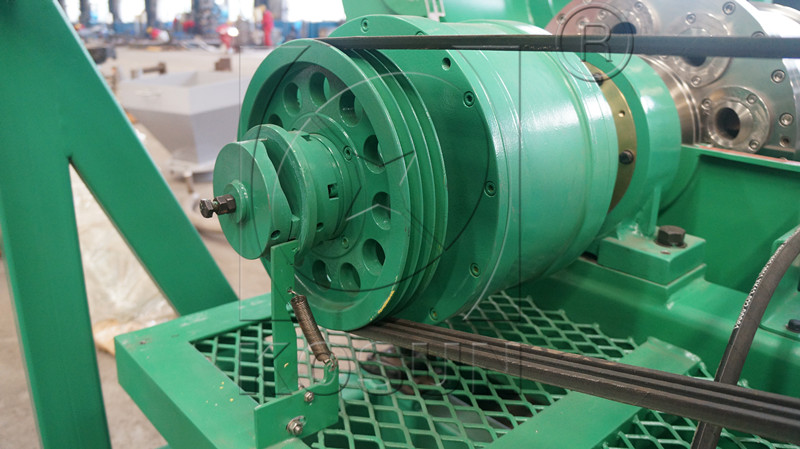
Drive: Provides the power to spin the bowl, allowing for separation.
Control Panel: Allows operation of the sludge dewatering centrifuge , including speed and direction control.
What Does a Centrifuge Do in Wastewater?
Wastewater treatment uses a sludge dewatering centrifuge to separate solids and liquids, reducing sludge volume and increasing solid content. This process makes storing, transporting, and disposing of the sludge easier.
Centrifuge Dewatering Process
The process of centrifuge dewatering includes:
Feeding: The sludge is fed into the centrifuge .
Separation: The high-speed rotation of the bowl separates solids from liquids.
Collection: Separated solids collect at the outer walls and are transported by the scroll to the discharge outlet.
Discharge: The liquids are expelled through a discharge outlet.
What Is the Difference Between Thickening and Dewatering?
Sludge thickening is the initial step in reducing sludge volume by removing free water, which increases the solids concentration but still leaves the sludge in a liquid-like state. Sludge dewatering follows, removing floc-bound and capillary water through processes such as centrifugal force, resulting in a much drier, solid product with significantly reduced volume.
Both processes are used in wastewater treatment to make it easier to store, transport, and dispose of sludge.
What Industries Use a Sludge Dewatering Decanter Centrifuge?
The equipment is used across numerous industries, including:
- Paper and pulp
- Chemical
- Food and beverages
- Refineries
- Mining
- Pharmaceuticals
Rapid urbanization, technological developments, and growing production units add to the demand for processed water — a key driver for economic growth.
Conclusion
The sludge dewatering decanter centrifuge is an essential tool for modern wastewater treatment. By efficiently separating solids from liquids, it reduces sludge volume, lowers disposal costs, and supports environmental compliance. Whether in municipal wastewater plants or industrial applications, this technology delivers reliable, cost-effective performance.